Limited-Edition Art for Hotels: Quality, Scale and Provenance
Why limited editions are changing how art is made, shared and collected
By Dan St. Andrei, Creative Director, Conceptiones · Artists & Editions · 7 min read · Image: Dan St. Andrei
There is a quiet tension at the heart of the art world. Artists want their work to be seen, and ideally to live in the places where people spend their days. Collectors, designers and venue owners want authentic work with real substance. Yet the traditional route, one unique piece sold through one gallery to one buyer, leaves a great deal of art unseen and a great many spaces without it.
Limited editions offer a way through. When they are done properly, they allow a single image to reach several homes, hotels or offices without losing what makes it valuable in the first place: scarcity, quality and the artist’s own hand. This article explains what a serious edition really is, why it matters for artists and spaces alike, and what to look for before you commit.
What a limited edition actually means
A limited edition is a fixed number of identical works produced from one original image, after which no more will ever be made. The number is declared in advance, each print is individually numbered (for example, 3/25), and the artist signs it. Anything produced beyond that number would break the promise on which the edition rests.
That promise is the difference between a limited edition and a poster. A poster is a product. An edition is a work of art with a finite, documented existence.
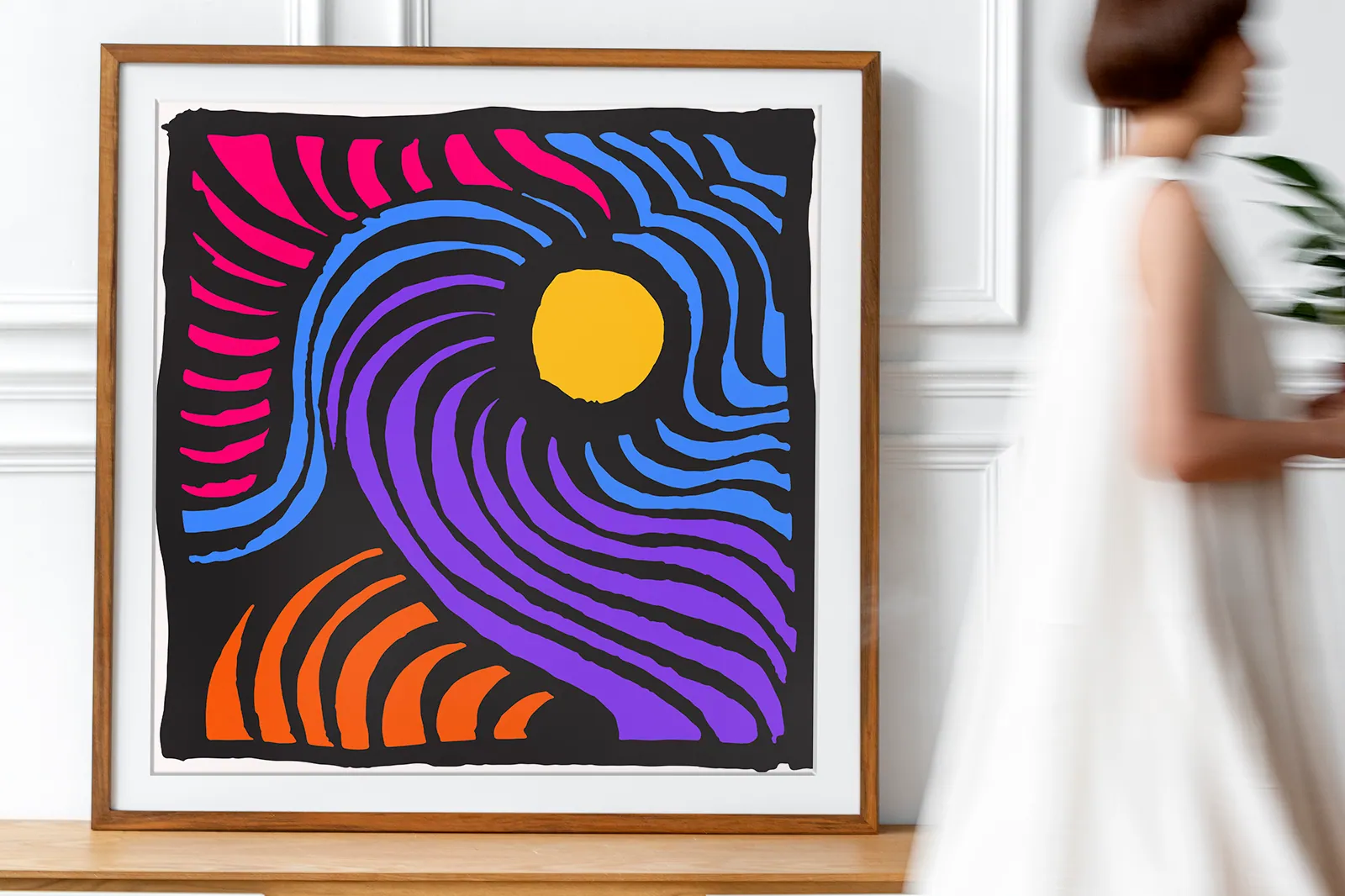
A signed and numbered edition records the artist's authorship and the work's place in the edition. Image by Dan St. Andrei.
What “museum quality” should mean
The phrase is used loosely, so it helps to be specific. In practice, museum-quality printing means:
Archival materials. Acid-free, cotton-based or similarly stable papers chosen to last for generations rather than years.
Pigment-based inks. Formulated for depth of tone and long-term lightfastness, and tested accordingly.
Careful color management. The print should be faithful to the original, whether that original is a photograph, a drawing or a scan of a painting.
Controlled production. Proofing, checking and finishing by people who understand the work, not an automated run.
Proper documentation. A certificate of authenticity, a record of the edition and, increasingly, a way to verify each piece independently.
When these elements are in place, a print stops being a reproduction and becomes a work that can hang beside an original without apology.
An artist’s perspective
For Dan St. Andrei, founder of Conceptiones and a visual artist working across photography, graphic art and painting, editions solved a practical problem. His work moves between disciplines, from atmospheric photographic series to graphic and painterly pieces, and each has its own audience and its own surfaces. Producing them as numbered, museum-quality prints made it possible to share the same body of work with many collectors and venues while keeping the integrity of each image.
The approach rests on a few simple commitments: every edition is limited and declared up front, every print is made to archival standards, and every piece is signed, numbered and documented. Collectors gain confidence about what they own. Interior designers gain the freedom to specify work for multiple rooms with consistent quality. The artist gains something just as important: the ability to let the work travel without diluting it.
His work is represented by Arthalle, and further information about the series and available editions can be found at danandrei.com.
Paper, pigment, edition documentation and framing shape the quality of the finished work. Image by Dan St. Andrei.
Why editions matter for spaces
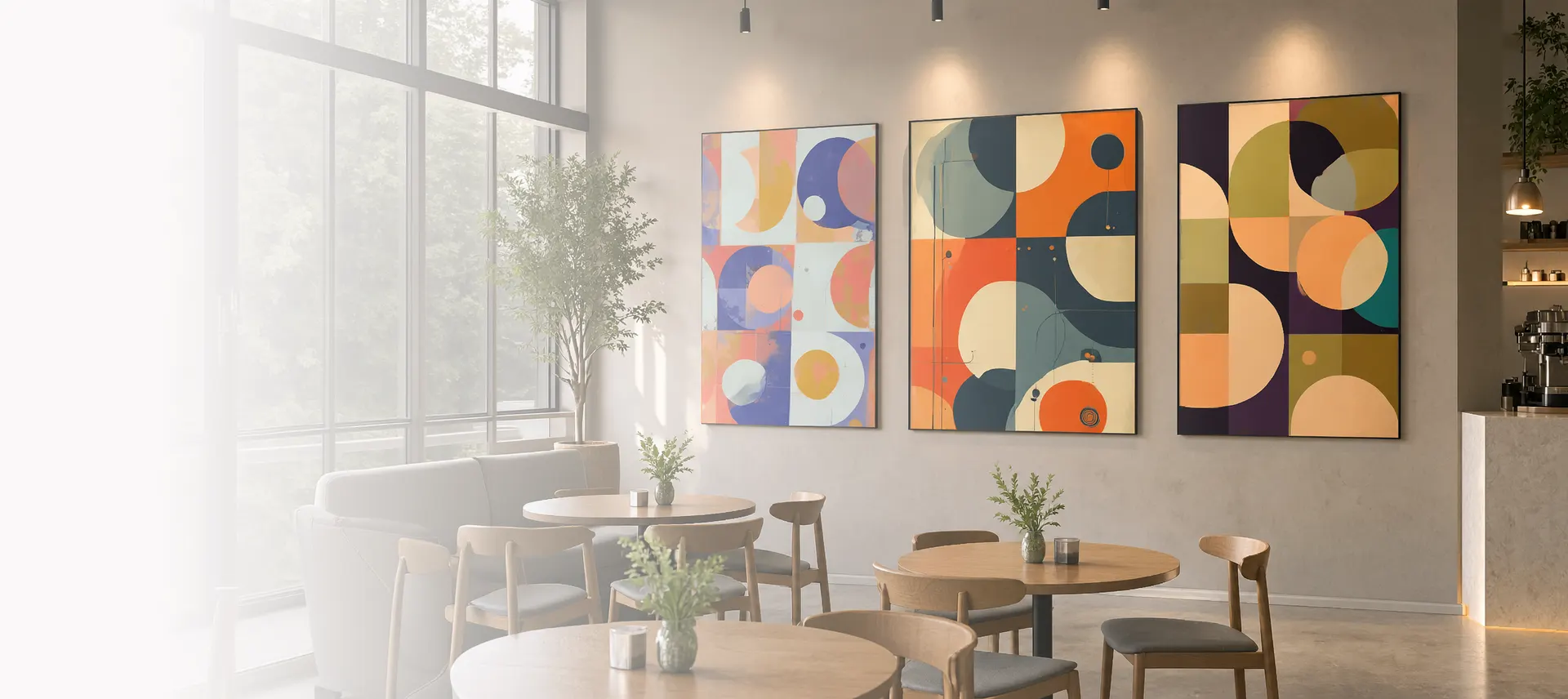
For hotels, restaurants, offices and private interiors, editions solve three problems at once.
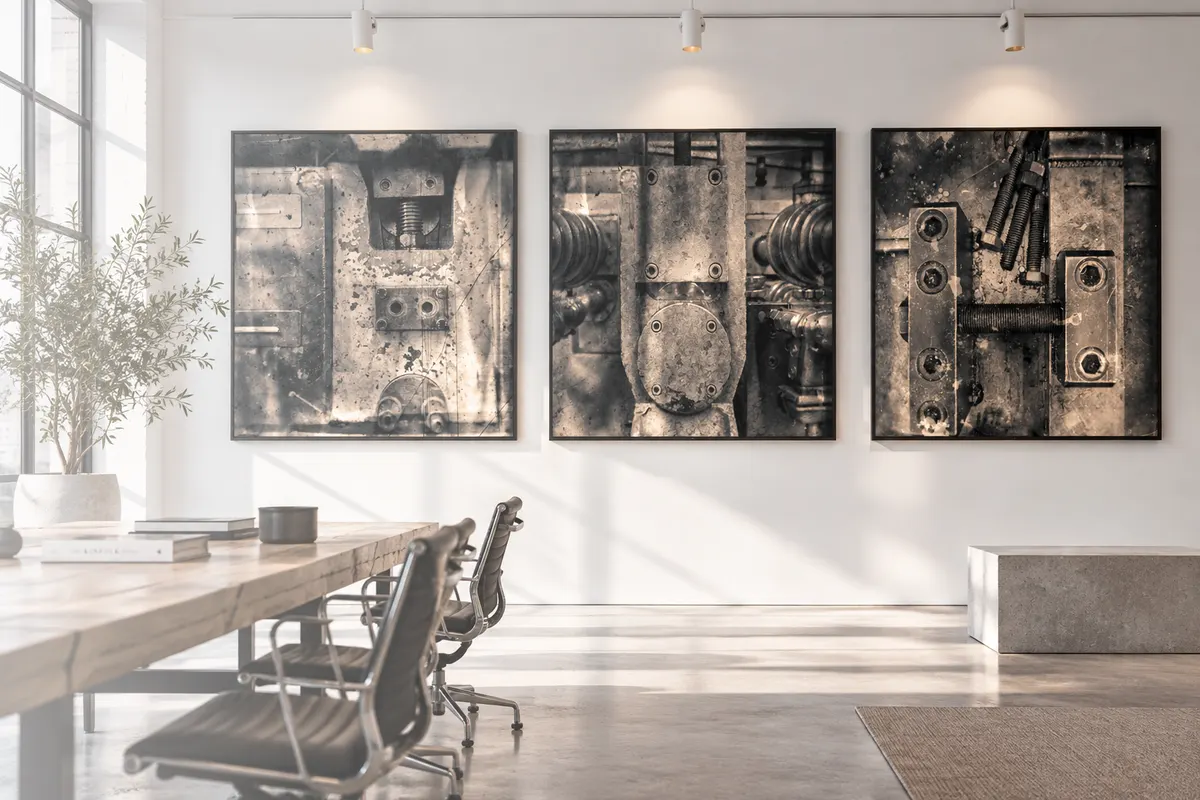
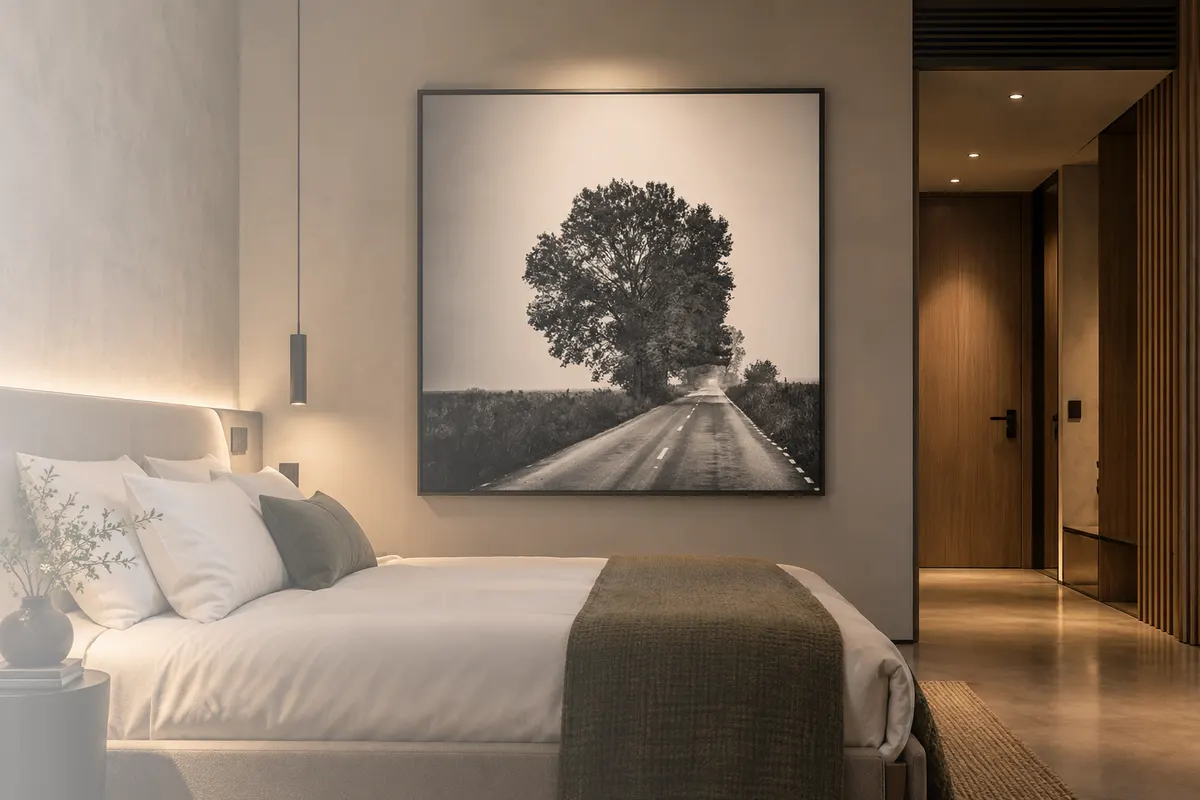
Scale. A project with fifty rooms cannot be furnished with fifty unique paintings on most budgets. A series of editions can, while still giving each room a real work by a real artist.
Consistency. Editions from a single artist or a coherent group let a venue build a recognizable visual language across its spaces, which is the foundation of a strong identity.
Provenance. Each numbered, documented piece comes with a traceable history. For owners, that means peace of mind. For guests and clients, it means the story behind the wall is real.
Editions as part of a collection’s value
A numbered, documented edition by a serious artist is more than decoration. Scarcity, quality of production and a clear record of provenance are the qualities that give a work lasting standing, and for a property building a collection they turn art from an expense into an asset that can hold and gain meaning over time. A well-kept record of each piece, including its edition number, materials and history, is what makes that possible.
Editions also create a healthy relationship between venues and artists. When a property commissions or acquires work from living artists, it supports their practice directly and becomes part of a wider cultural ecosystem. Over time, that goodwill becomes part of the property’s identity.
What to look for before you buy
If you are considering editions for a project or a private collection, a few questions will tell you almost everything:
Is the edition size clearly stated and genuinely closed? If the artist or publisher cannot say how many exist, walk away.
Is each print signed and numbered? And is that recorded somewhere you can check?
What are the paper and ink? A reputable maker will answer without hesitation.
Is there a certificate or verification method? Authentication should be simple and tied to the specific print.
Who is behind the work? Look at the artist’s body of practice, not just a single image. Editions are worth most when they belong to a larger, coherent vision.
The future of the edition
Digital images are endlessly reproducible, which is exactly why the physical, finite, well-made object matters more now than it did a generation ago. People are tired of frictionless imagery. They respond to paper with texture, to ink with depth, to a signature that means something. In that sense, the limited edition is not a compromise between the original and the copy. It is an answer to a contemporary desire for things that are real, scarce and made with care.
At Conceptiones, we work at exactly this meeting point, between the studio and the interior. If you are an artist considering your first edition, or a consultant or designer looking for work that can bring a space to life, we would like to hear from you.
Frequently asked questions
What is a limited edition print?
A limited edition is a fixed number of identical works produced from one original image. The number is declared in advance, each print is individually numbered, for example 3/25, and signed by the artist. No more are made once the edition is complete.
What does museum-quality printing mean?
It means archival acid-free papers, pigment-based inks tested for lightfastness, careful color management against the original, controlled proofing and finishing, and proper documentation such as a certificate of authenticity and a record of the edition.
What should I check before buying an edition?
Check that the edition size is clearly stated and closed, that each print is signed and numbered and recorded, what paper and ink were used, whether there is a certificate or verification method, and who the artist is and what body of work the edition belongs to.
Why are editions useful for hotels and restaurants?
They allow a venue to place real work by a real artist in many rooms at a cost unique pieces could not match, with consistent quality, a recognizable visual language and a traceable history for each piece.
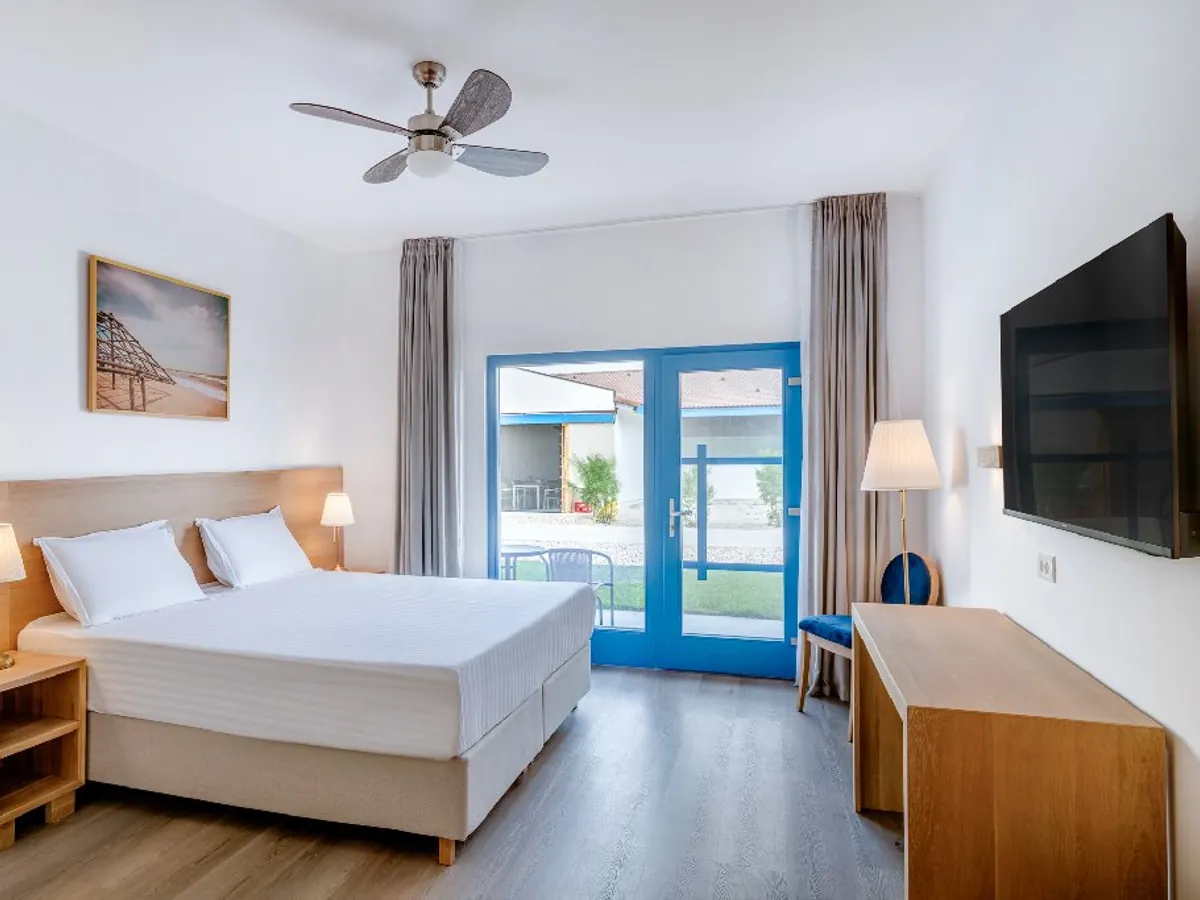
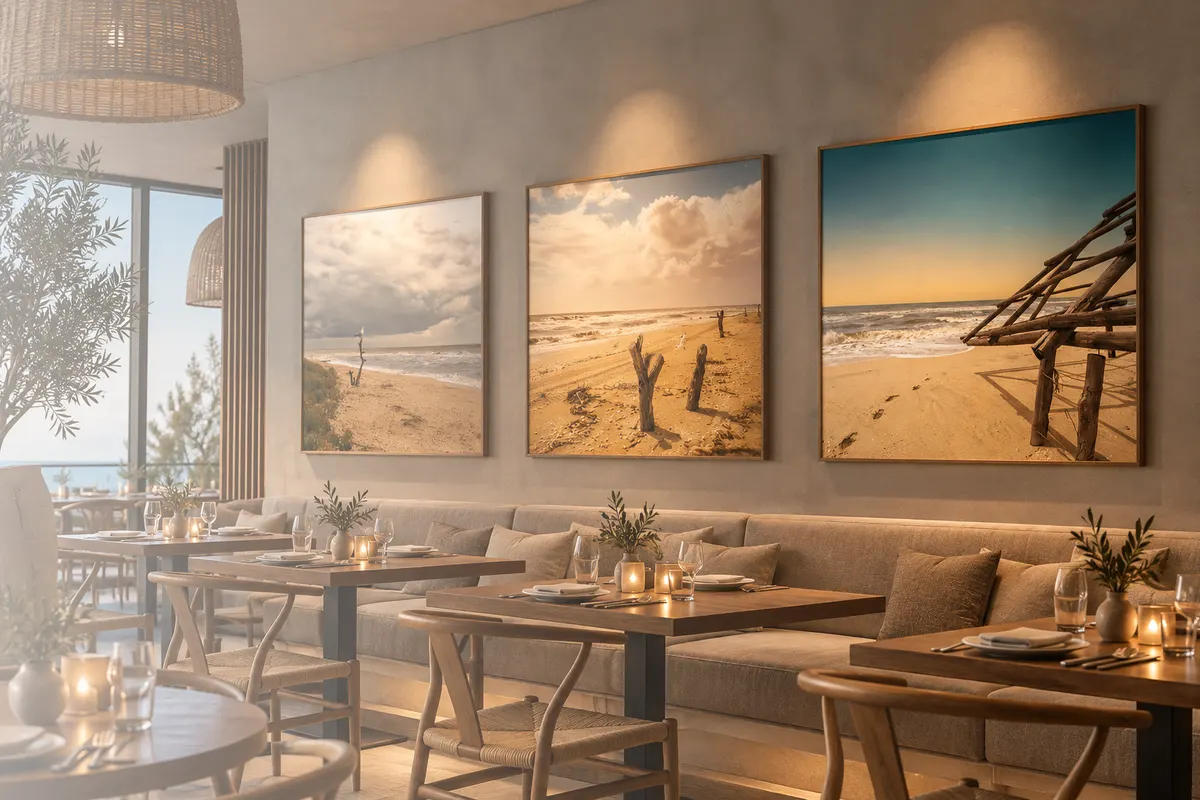
A collection of 240 framed art photographs created from a dedicated one-week shoot in the surrounding coastal landscape—bringing the identity of the place into the guestrooms and turning the hotel into an accessible gallery for its visitors.