Our process
Creative clarity. Production discipline.
Every project begins differently. The artwork may already exist, the appropriate edition may be ready to select, or an original work may need to be conceived for the space.
We define the stages the project actually needs, together with the responsibilities, approval points, material requirements, programme and budget.
The right process for the work
Not every project requires every stage. A single available artwork may move quickly from selection to presentation and delivery. A commissioned artwork, photographic series or large multi-space programme may require research, development, samples and several approval points.
At the outset, we define the relevant stages, responsibilities, information required and approval path with the appointed consultant, architect, interior designer or client.
Stage 01 — Brief & context
Understand the space before proposing the work
We begin with the project context: the interior concept, architecture, audience, locations, quantities, programme, budget and the responsibilities already established within the project team.
Where available, we review plans, elevations, renders, material palettes, artwork schedules and relevant references. We also identify who provides direction, who reviews proposals and who gives final approval.
Typical inputs
- Project type, location and current stage.
- Interior-design concept, drawings and visual references.
- Intended artwork locations and indicative dimensions.
- Quantities and any grouping across rooms or project zones.
- Programme, decision milestones and delivery requirements.
- Indicative budget range.
- Project-team roles, communication route and confidentiality requirements.
Stage outcome: an agreed working brief, scope and approval path.
Stage 02 — Creative direction
Define the appropriate artwork route
We translate the brief into a clear creative and production direction. This identifies the right balance of existing original artworks, existing fine art editions and bespoke commissions.
For projects led by an art consultant, architect or interior designer, this direction is developed within their established concept and responsibilities. When Conceptiones is engaged directly and no professional is already leading the art programme, we develop the initial artwork direction with the client.
Direction may define
- Narrative, atmosphere and relationship to the space.
- Suitable artists, practices and media.
- Existing works or editions to be considered.
- Opportunities for bespoke artwork or dedicated photography.
- Indicative scale, placement, material and colour relationships.
- Quantity, repetition, variation and edition logic.
Stage outcome: an approved creative direction and agreed route for development or selection.
Stage 03 — Artwork development
Turn direction into resolved proposals
Selected works are assembled into a coherent proposal; commissioned works are developed through concepts, studies and material exploration; fine art editions are defined through source work, paper, scale and presentation.
Depending on the project, this stage may involve artist coordination, dedicated photographic sessions, sketches, digital visualisations, material tests, preliminary dimensions, framing concepts and placement studies.
Development may include
- Artwork selections and alternatives.
- Commission concepts and artist proposals.
- Dedicated photographic direction and image selection.
- Scale and placement studies.
- Materials, substrates and presentation options.
- Edition structure, sizing and quantity planning.
- Preliminary production and budget alignment.
Stage outcome: a developed artwork proposal ready for sampling or approval.
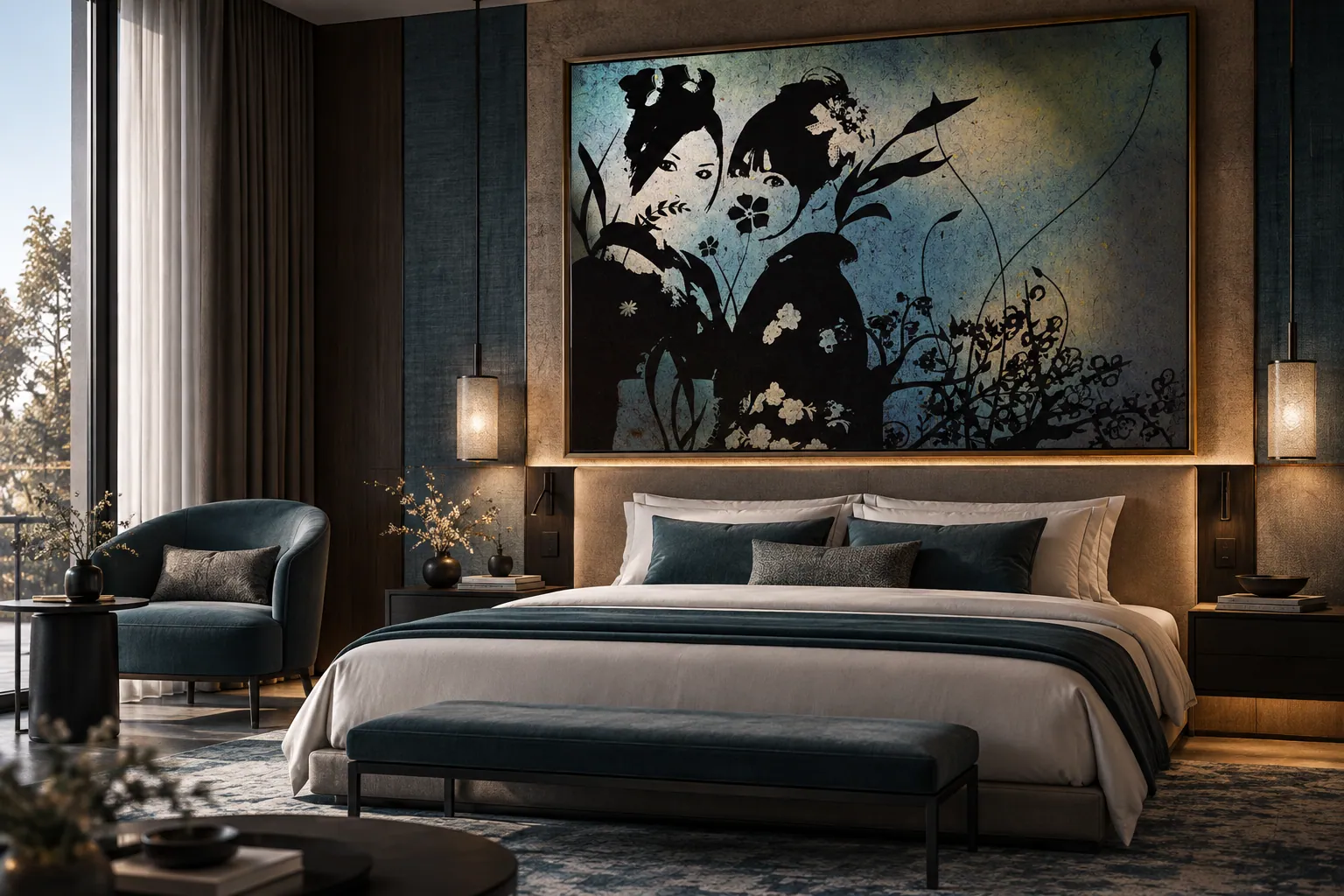
Stage 04 — Samples & approval
Confirm material, colour and presentation
Where the medium, quantity or project risk requires it, we prepare the relevant proof, sample or prototype before full production.
For fine art printing, this may include soft proofing, paper selection, test prints and physical colour approval by project agreement. For commissioned or fabricated work, it may include material samples, colour studies, scale details, framing samples or prototypes.
Approval requirements are defined for the project and recorded before production proceeds.
Approval materials may include
- Digital artwork and placement reviews.
- Soft proofs and test prints.
- Paper, material and finish samples.
- Framing, passepartout and glazing options.
- Prototypes or representative production samples.
- Final dimensions, quantities and edition information.
Stage outcome: an approved production reference, quantities and presentation specification.
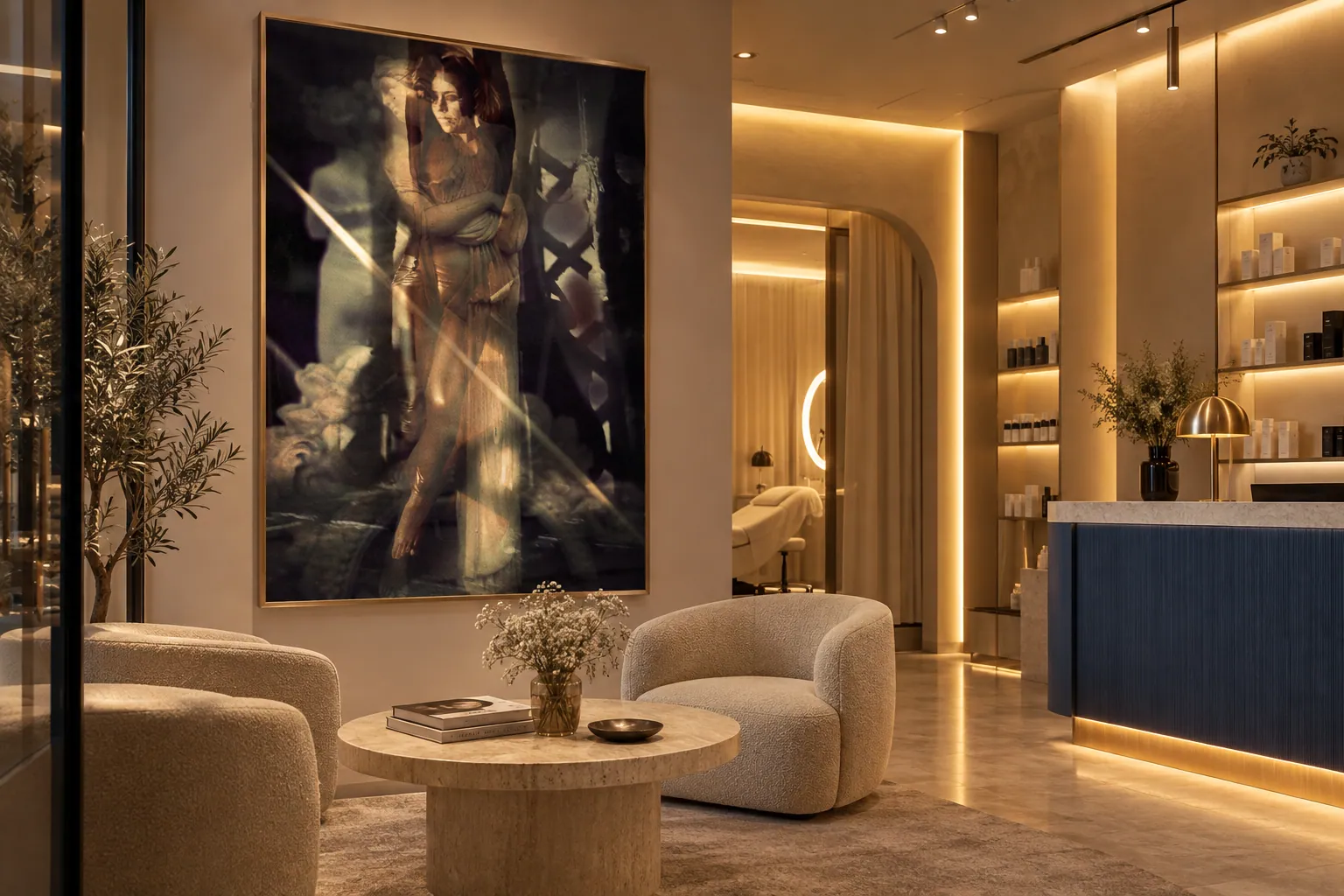
Stage 05 — Production
Carry the approved intent into the finished work
Production begins only after the relevant artwork, material, quantity and presentation decisions are approved.
Conceptiones coordinates the selected artists, makers, fine art printers, framers and specialist production partners according to the agreed scope. We review the work against the approved reference. Any required departure is raised for approval before work continues.
Production may include
- Original artwork and commissioned series.
- Pigment-based fine art printing on selected artist-grade papers.
- Ceramics, sculpture, mixed media and specialist fabrication.
- Mounting, passepartout, bespoke framing and glazing.
- Numbering, dating and Certificates of Authenticity where applicable.
- Consistency review across editions and larger quantities.
Stage outcome: finished artwork reviewed against the approved production reference.
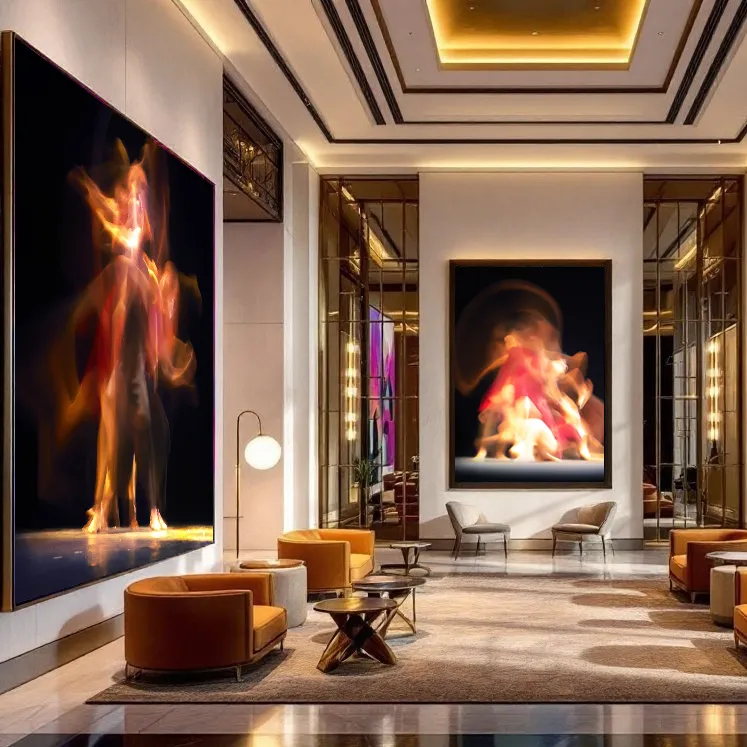
Stage 06 — Presentation & delivery coordination
Prepare the artwork for the agreed destination
Finished works are documented, protected and prepared according to the approved presentation and delivery requirements. We coordinate packaging, artwork identification and the delivery information required by the project team.
The exact delivery scope is agreed for each project. It does not imply installation coordination or unrestricted worldwide delivery.
Coordination may include
- Final artwork and quantity check.
- Labels, edition details and available authenticity documentation.
- Protective packaging and grouping by room, zone or destination.
- Delivery schedule and receiving information.
- Handover documentation required by the appointed project team.
Stage outcome: an organised artwork package prepared for the agreed delivery and handover.
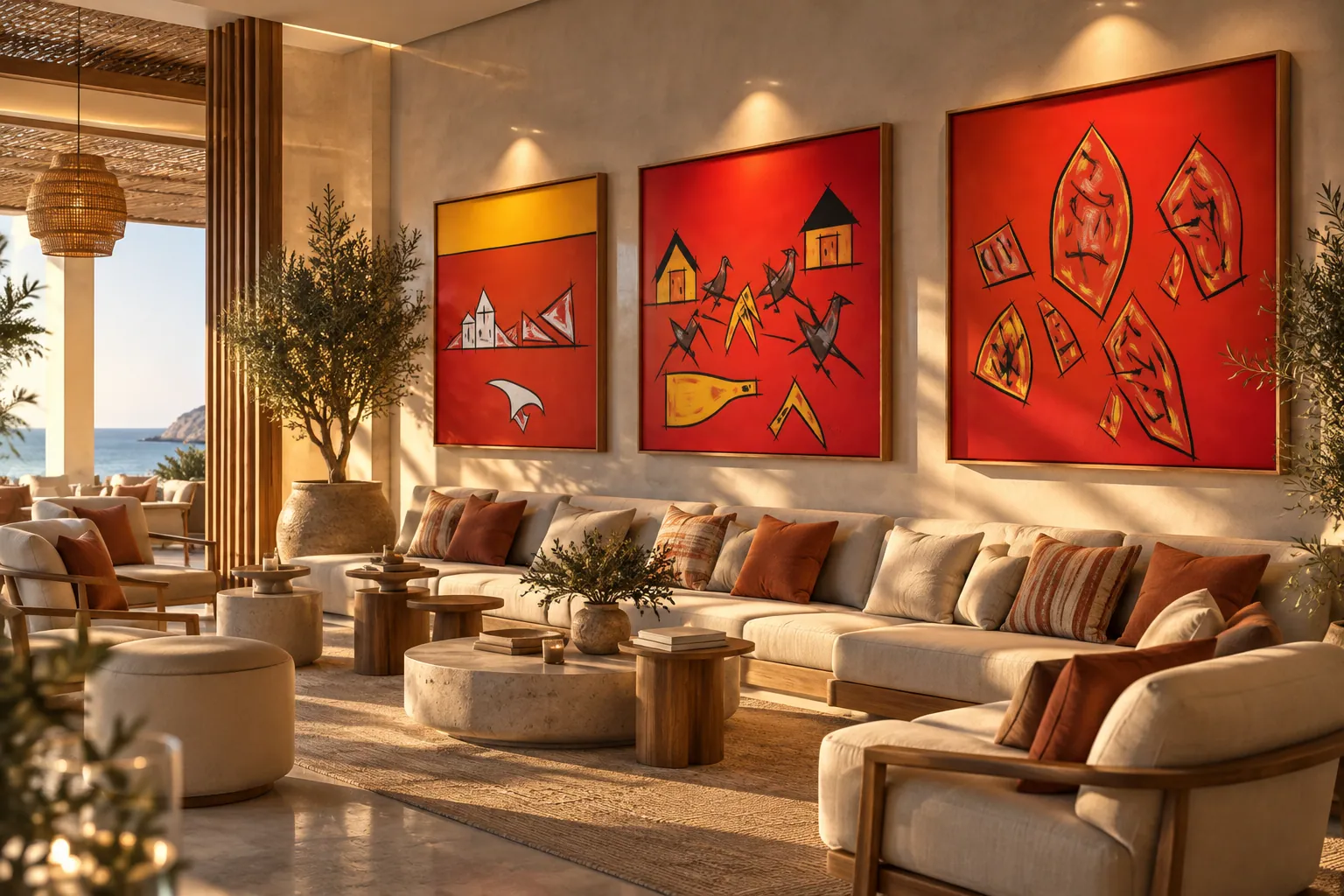
Clear decisions at the right stage
Approve the work before committing the next step
Each project establishes its own approval path. A simple acquisition may require only artwork and presentation confirmation; a bespoke programme may include creative-direction, sample and production approvals.
Approvals protect the creative intent, the project programme and all parties involved. A change requested after an approved stage may affect cost, timing, materials or availability and is reviewed before work continues.
One artwork or a programme across many spaces
The same principles apply to a singular original, a limited photographic edition, a bespoke work for a signature location and a coordinated programme across many rooms.
What changes is the level of development, sampling, documentation and production control required to deliver the work consistently.
Frequently asked questions
Does every project follow all six stages?
No. The required stages depend on the artwork route, quantities, material risk and decisions already made. A straightforward acquisition may move directly from selection to presentation and delivery.
Why do you ask for an indicative budget range?
The range helps us propose suitable artwork routes, materials, edition structures and sampling without developing options that do not fit the project parameters.
When are samples or test prints required?
Samples are used where the medium, quantity or production risk warrants them. Fine art print proofing, physical colour approval and other prototypes are agreed for each project.
Who approves the creative direction and production reference?
The approval path is established in the brief. It may involve the appointed art consultant, architect, interior designer or client, according to the responsibilities agreed by the project team.
Can the process begin with an existing artwork or edition?
Yes. Existing originals and fine art editions can enter the process at selection and presentation, while commissioned work normally requires additional development and approval stages.
Does delivery coordination include installation?
Not automatically. We agree packaging, documentation, delivery and handover requirements for each project; installation coordination and unrestricted worldwide delivery are not implied.
Start with the context
Tell us where the project stands
Share the space, creative direction, quantities, programme and the decisions already made. We will identify the appropriate artwork route and the stages needed to move forward.
You do not need to define every stage before contacting us. Share the decisions and project information already available.